Dental Implants Planned Around the Final Result
Replacing a missing tooth is about more than placing an implant. The implant has to support a tooth—or a larger restoration—that fits, looks natural, functions within your bite, and can be maintained over time.
Dr. E. Richard Hughes brings more than 30 years of implant experience to treatment ranging from a single missing tooth to complex full-arch reconstruction. He plans the surgical and restorative sides of implant treatment together from the beginning.

The Implant Is the Foundation. The Tooth Is the Goal.
A dental implant replaces the support that was lost when a natural tooth was removed. But the implant itself is only one part of the treatment.
The finished result also depends on the abutment, the crown or other restoration, the available bone, the surrounding teeth, and how the replacement functions when you bite and chew.
Three Parts Work Together to Replace a Missing Tooth
A dental implant is a biocompatible post placed in the jaw to provide a foundation for a replacement tooth.
After the implant integrates with the surrounding bone, an abutment connects the implant to the visible restoration above it. Depending on your needs, that restoration may be a crown, bridge, removable implant-supported denture, or fixed full-arch restoration.
The Implant
Positioned within the jawbone to provide the foundation for the replacement tooth.
The Abutment
Connects the implant below the gumline to the restoration above it.
The Restoration
Replaces the visible tooth or teeth and is designed around your appearance, function, bite, and treatment needs.

Dental Implants Can Replace One Tooth or an Entire Arch
There is no single “dental implant procedure.” The right treatment depends on how many teeth are missing, which teeth can be maintained, your available bone, your bite, and the type of replacement teeth you ultimately need.
Dental Implant Treatment Starts With the Result You Need
Implant dentistry combines surgery with restorative dentistry. Where an implant is positioned affects the crown, bridge, denture, or full-arch restoration that ultimately attaches to it.
That is why Dr. Hughes evaluates the final restorative goal, available bone, surrounding anatomy, existing teeth, and bite before deciding where an implant should go.

“Fit tight, look right, and bite right.”— Dr. E. Richard Hughes
Where the Implant Goes Should Be Determined by What It Needs to Support
An implant can be integrated with bone and still create a difficult restorative situation if it is not positioned appropriately for the tooth that needs to be built above it.
Dr. Hughes approaches implant planning by working backward from the finished restoration. He considers where the replacement teeth need to be, how they should look, how they will meet the opposing teeth, and how the patient will maintain them.
The implant plan is then developed around those restorative needs and the patient's available bone and anatomy.
A Foundation for Rebuilding Missing Teeth
Dental implants can provide advantages that are difficult to achieve with tooth replacement that rests only on the gums or relies exclusively on neighboring natural teeth.
Replace a Missing Tooth Independently
A single implant can support its own crown rather than requiring healthy adjacent teeth to be prepared solely for bridge support.
Restore Chewing Surfaces
Implant-supported restorations are designed to rebuild functional tooth surfaces where teeth have been lost.
Improve Denture Retention
Implants can provide additional support and retention for removable dentures when that approach is appropriate.
Help Maintain Bone at the Implant Site
Following tooth loss, bone in the area can change over time. Functional loading through an implant can help maintain surrounding bone at the implant site.
Support Different Restorative Designs
Implants can support individual crowns, bridges, removable implant-supported dentures, and fixed full-arch restorations.
Plan Around the Whole Mouth
Implant position can be coordinated with surrounding teeth, bone, appearance, bite, and the long-term restorative plan.
Are You a Candidate for Dental Implants?
Candidacy is not determined by one number, one X-ray, or one item on a checklist.
Dr. Hughes evaluates the entire clinical picture: what teeth are present, which teeth can be maintained, available bone and anatomy, periodontal health, bite, medical history, medications, healing considerations, smoking, hygiene, and the restoration being considered.
Some factors make treatment more complex without automatically ruling implants out. Others may mean treatment should be delayed, modified, or reconsidered.
Bone Loss Can Change the Plan Without Automatically Ending the Conversation
After tooth loss, the shape and volume of the jawbone can change. That can affect where implants can be positioned and what type of restoration can be supported.
Dr. Hughes evaluates bone in relation to the restoration that needs to be built. Depending on the individual situation, treatment may involve grafting, ridge augmentation, sinus augmentation, a different implant position or dimension, or another restorative approach.
The important question is not simply, “Is there enough bone for an implant?” It is whether a safe and maintainable implant-restorative plan can be developed for the individual patient.
Complex Implant Care Is About More Than Filling a Gap
Patients who need extensive treatment may have a combination of missing teeth, damaged teeth, bone changes, periodontal concerns, bite problems, and esthetic goals.
In those cases, implant treatment becomes part of a larger restorative plan rather than an isolated procedure.
The goal is to determine which teeth can be maintained, which need replacement, where implants can appropriately support the restoration, and how the completed treatment should function as a whole.
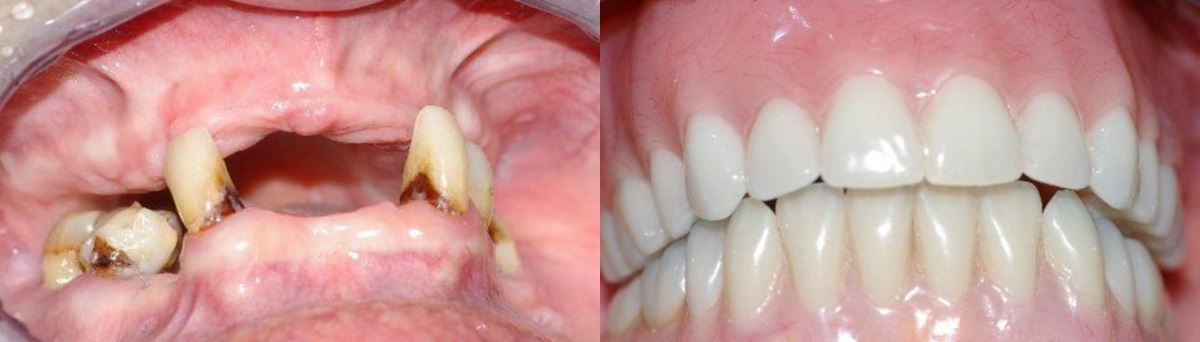
From Evaluation to the Final Restoration
The exact sequence differs from patient to patient. Extractions, grafting, implant timing, healing, temporary teeth, and the type of final restoration can all change the treatment plan.
Clinical Evaluation
Dr. Hughes evaluates your existing teeth, gums, bite, health, previous dentistry, concerns, and goals.
3D Evaluation & Restorative Planning
Bone and anatomy are evaluated together with the position and design of the tooth or restoration the implant needs to support.
Site Preparation When Needed
Depending on the case, treatment may include extraction, bone preservation, grafting, periodontal treatment, or another preparatory procedure.
Implant Placement
The implant is surgically positioned according to the planned restorative and anatomical requirements.
Healing & Integration
The surrounding bone is given appropriate time to integrate with the implant. Healing time varies with the patient and procedure.
Final Restoration
Once appropriate, the crown, bridge, denture, or full-arch restoration is completed and evaluated for fit, appearance, function, bite, and hygiene access.
There Is No Single Dental Implant Timeline
Two patients replacing the same number of teeth can still have very different treatment sequences.
Treatment timing can be affected by whether a tooth first needs to be removed, whether an implant can be placed at the time of extraction, whether grafting is needed, implant stability, healing, the number of implants, and the type of restoration being made.
Temporary teeth may be possible during healing in some situations. In selected cases, a provisional restoration may be connected to implants immediately. That decision depends on the individual clinical situation rather than a promise made before evaluation.
Dental Implants Are Not Maintenance-Free
Implant-supported teeth cannot develop cavities in the same way natural tooth structure can, but the tissues and bone around an implant still require ongoing care.
Inflammation around an implant, progressive bone loss, excessive bite forces, component wear, looseness, and other complications should be evaluated rather than ignored.
Long-term care includes effective home hygiene, professional maintenance, evaluation of the surrounding tissues, and periodic assessment of the implant restoration and bite.
Understand the Cost of the Completed Treatment—Not Just the Implant
An advertised “implant price” may represent only one component of the treatment.
The total investment can depend on the number of implants, the restoration they support, extractions, grafting or other preparatory procedures, laboratory work, restorative materials, and the complexity of the case.
Nova provides treatment-specific cost information after Dr. Hughes determines what is actually needed to reach the completed restorative result.

One Dentist Planning the Surgical and Restorative Sides of Treatment
Dr. E. Richard Hughes has practiced implant and restorative dentistry for more than three decades. He is a Diplomate of the American Board of Oral Implantology/Implant Dentistry and has served as an ABOI/ID Board Examiner.
For patients who come directly to Nova for implant treatment, Dr. Hughes generally manages both the surgical placement and restorative phases of care. That creates continuity between the dentist deciding where the finished tooth belongs and the dentist deciding where the implant should be positioned.
You Do Not Need to Know Which Implant Procedure You Need Before You Come In
Patients often arrive knowing that they have a missing tooth, failing teeth, an uncomfortable denture, or a previous opinion about their bone—but not which implant solution is appropriate.
The consultation is where those questions are sorted out. Dr. Hughes can evaluate your teeth, bone, anatomy, bite, health, and restorative goals and explain the approaches that may be appropriate for your situation.
That may mean one implant, several implants, an implant-supported bridge, a removable implant denture, full-arch treatment—or a non-implant alternative.
Request an Implant Consultation
Questions Patients Commonly Ask About Dental Implants
What exactly is a dental implant?
A dental implant is a biocompatible post placed within the jawbone to provide support for a replacement tooth or restoration. The implant is the foundation; the visible replacement tooth is a separate restorative component.
Can one implant replace one missing tooth?
Yes. When appropriate, a single implant can support an individual crown and replace one missing tooth without requiring healthy adjacent teeth to be prepared solely for bridge support.
Do I need one implant for every missing tooth?
Not necessarily. Several missing teeth may sometimes be replaced with an implant-supported bridge, while full-arch restorations can also be supported by a strategically planned implant foundation. The appropriate number depends on the individual anatomy and restorative plan.
What if I have been told I do not have enough bone?
Bone loss can make implant treatment more complex without automatically ruling it out. Dr. Hughes evaluates the available bone, anatomy, restorative goal, and possible implant positions before determining whether grafting, another surgical approach, or a different restorative option should be considered.
Can an implant be placed when a tooth is removed?
Sometimes. Immediate implant placement may be considered when the condition of the extraction site, surrounding bone, implant stability, anatomy, and restorative plan make it appropriate.
Does everyone need bone grafting?
No. Bone grafting is considered when it is needed to preserve or create appropriate support for the planned treatment. Some patients already have suitable bone, while others require a different approach.
How long does dental implant treatment take?
There is no universal timeline. Treatment time can be affected by extractions, grafting, healing, the number of implants, implant stability, and the type of final restoration. Dr. Hughes can provide a more meaningful timeline after evaluating your case.
Will I be without teeth while the implants heal?
Not necessarily. Depending on the treatment, a temporary tooth, denture, or provisional restoration may be possible during healing. In selected situations, a provisional restoration may be connected to implants immediately.
How long do dental implants last?
Dental implants can function for many years, but a specific lifespan cannot be guaranteed. Long-term outcomes depend on factors including health, hygiene, smoking, bite forces, maintenance, surrounding tissues, and the condition of the restoration.
Can dental implants fail?
Yes. Implant complications and failures can occur. Healing, infection or inflammation, bone condition, implant position, excessive bite forces, smoking, medical factors, hygiene, and restorative complications can all influence outcomes.
How do I know which implant option is right for me?
The appropriate option depends on what teeth are missing or failing, which teeth can be maintained, available bone, anatomy, bite, health, hygiene, and whether the final restoration should replace one tooth, several teeth, or an entire arch.
Explore Dental Implant Treatment in More Detail
Use these resources to go deeper into the part of implant treatment that matters most to your situation.